Home › Garage and Basement Concrete Floors
We pour new concrete garage floors and basement slabs for homeowners across Brooklyn, NY. Our team prepares a proper base, installs reinforcement, and finishes the surface to handle vehicles, storage, and everyday use while keeping floors level and resistant to cracking.
Superior Concrete Brooklyn provides professional concrete garage floor throughout Brooklyn, NY, New York and the surrounding area. Our licensed, insured crew delivers safe, clean, on-time work with a free estimate before anything begins. Call (718) 313-3878 or request your free quote.
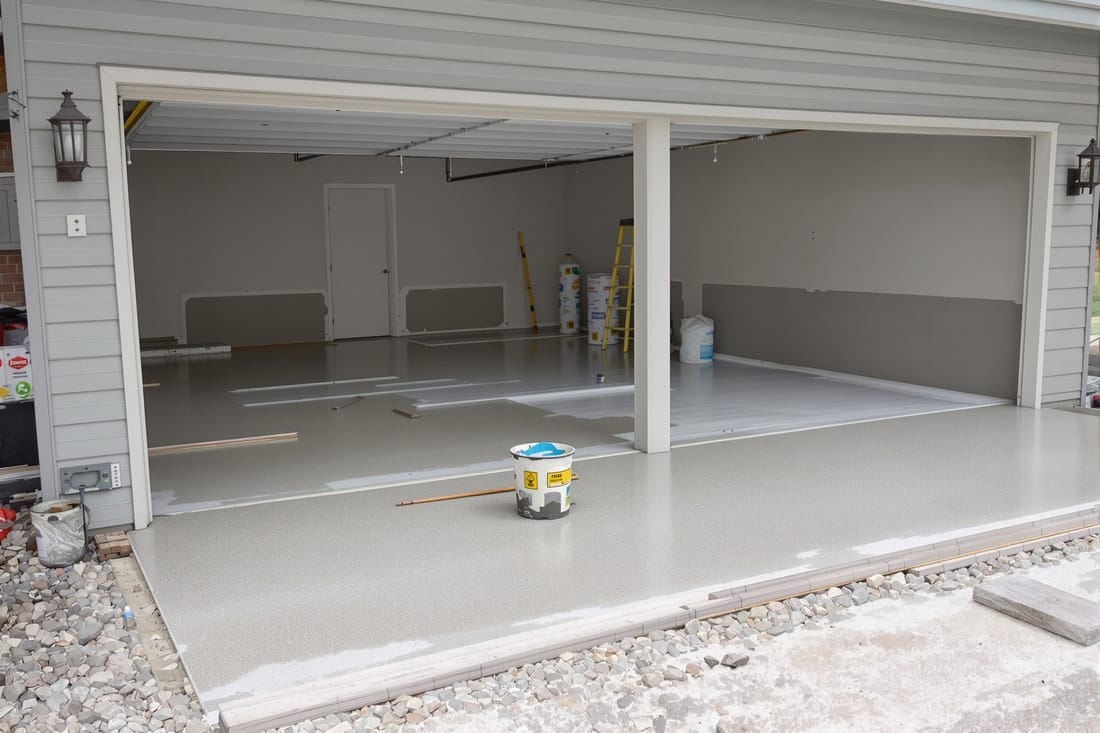
Durable concrete garage and basement floors for Brooklyn homes
A concrete garage floor or basement slab in Brooklyn has to deal with more than parked cars. You have salt and slush off winter tires, damp coastal air, and often older foundations that move a bit with the seasons. At Superior Concrete Brooklyn, we design every garage and basement floor to handle these real conditions, not a generic climate in a brochure.
When you call us, we start with a short phone consultation to understand how you actually use the space. Is the garage mainly for parking or a workshop with heavy tools. Is the basement storage only or do you want a future living area. These details affect slab thickness, reinforcement, finish, and coatings. We then schedule a site visit so we can check ceiling height, access for concrete trucks, and any signs of existing moisture or structural issues.
Because we work only in Brooklyn and nearby boroughs, we are familiar with the typical building ages in neighborhoods like Bay Ridge, Crown Heights, and Williamsburg. Older row houses and brownstones often have irregular foundations and tight access, while newer builds might already have a decent sub-base that can be reused. This local knowledge helps us price more accurately and avoid surprises once the work starts.
Preparation and site work in tight Brooklyn spaces
Most of the quality of a concrete garage or basement floor comes from preparation, not from the last trowel pass. In Brooklyn, working space is often limited, so we plan carefully to keep the job clean and safe while protecting your neighbors and common areas.
For garages, we start by removing old concrete, pavers, or deteriorated asphalt if needed. We cut sections with a saw to control breakage so vibrations do not travel into shared walls. Debris is carried out in manageable loads to avoid blocking narrow streets or shared driveways. If there is an existing slab that is sound but out of level, we may mechanically roughen it and use a bonded overlay instead of full replacement, which can save time and cost.
For basements, access is usually the biggest challenge. In many Brooklyn townhouses and multifamily buildings, we hand-carry materials through the building or use compact material movers that fit through standard doors. We protect floors and stairs with coverings and set up dust control where cutting or chipping is needed. Old slab removal is done in small pieces to keep noise and disruption reasonable, especially in buildings with tenants.
After demolition, we evaluate the sub-base. In garages, we typically install and compact a layer of crushed stone to provide drainage and a stable platform. In basements, particularly in older homes with dirt or patchy concrete, we check for organic material and soft spots, then compact and level the base so the new slab will not settle or crack prematurely.
Moisture control, reinforcement, and thickness choices
Brooklyn sits near the water and many basements and ground-level garages deal with moisture from below or from side walls. Before we pour any new concrete garage floor or basement slab, Superior Concrete Brooklyn checks for existing damp spots, efflorescence, and any history of water intrusion. This determines what moisture controls we use.
In most basements and many garages, we install a vapor barrier, usually a heavy-duty polyethylene sheet, directly over the compacted stone. Seams are overlapped and taped to minimize moisture rising into the slab, which is especially important if you plan epoxy, paint, or future flooring like vinyl or tile. In areas with known water issues, we coordinate with waterproofing or drainage work, such as perimeter drains or sump systems, before placing the new concrete.
Reinforcement and thickness are tailored to your use. For a standard residential concrete garage floor that supports passenger vehicles, we typically pour 4 inches of 3,500 to 4,000 psi concrete with either welded wire mesh or rebar in high-stress areas. If you store heavy equipment, motorcycles with stands, or plan a lift, we may recommend a thicker slab or localized thickened pads. Basement floors that will become living areas may not need as much thickness, but we focus on minimizing cracking and ensuring a smooth, level surface for future flooring.
We also place control joints at strategic locations to manage shrinkage cracking. In garages, joints are planned to align where vehicle tires naturally pass to reduce wear. In basements, we plan joints around future wall locations where possible, so they are less visible once the space is finished.
Pouring and finishing your concrete garage or basement floor
Once preparation and moisture control are in place, we schedule the concrete delivery. For Brooklyn homes with limited street space, timing is important. We coordinate with you to ensure access for the mixer truck and, where necessary, we use concrete pumps or buggies to move material without disturbing neighboring properties.
We use ready-mix concrete from reputable local plants, with mix designs matched to indoor or garage use. Air-entrainment, aggregate size, and strength are chosen based on your site and intended use. During placement, the team levels and consolidates the concrete, then uses screeds and floats to create a flat and even surface. For basements that will receive flooring later, we aim for tight flatness tolerances to reduce future leveling costs.
The final finish depends on your needs. For concrete garage floors, many homeowners choose a broom finish for traction, especially where slush and water can accumulate near the garage door. If you plan to apply an epoxy or polyurea coating, we may provide a smoother steel-troweled finish, knowing that surface preparation (like grinding) will be done later. In basements, a smooth trowel finish is common for spaces destined to become living rooms, home gyms, or storage, while lightly textured surfaces can be used for utility rooms.
Curing is critical in Brooklyn’s variable weather. For garages open to the outside, we protect fresh concrete from rapid drying in summer and from cold in late fall and early spring using coverings and curing compounds. In basements, we control airflow to prevent premature drying cracks. We provide clear instructions on when you can walk on, place light items on, and finally drive or install heavy equipment on the new slab.
Costs, timelines, and what affects your price
Most homeowners ask first about the cost of a new concrete garage floor or basement slab, and the honest answer is that price in Brooklyn depends heavily on access and existing conditions. At Superior Concrete Brooklyn, we provide written estimates that break down the main cost drivers so you understand where your money is going.
Key factors include size of the floor area, thickness of the slab, and type of reinforcement. A straightforward one-car garage with easy access will be at the lower end of the range per square foot, while a multi-room basement with tight stair access and extensive demolition will cost more. Moisture control measures, such as vapor barriers or coordination with drainage systems, add some cost up front but often prevent expensive flooring failures later.
Finishing choices also matter. A standard broom or trowel finish is less expensive than decorative options like colored concrete or polishing. If you want us to prepare the concrete garage floor specifically for epoxy or a similar coating, we may factor in extra attention to surface quality and joint layout. In basements, if you want higher flatness standards for future tile or vinyl plank, we allow additional time for detailed leveling.
Timeline is usually 2 to 4 days on site for a typical project, plus curing time before full use. Day 1 is often demolition and prep, Day 2 is base work and vapor barrier, and Day 3 is pour and finish, although on smaller jobs some steps are combined. You can usually walk on the new slab within 24 to 48 hours, but vehicle traffic generally waits 5 to 7 days, depending on conditions. We schedule around building quiet hours in multi-unit buildings and coordinate with superintendents where required.
We are transparent about potential extras, such as unexpected sub-base repair, hidden debris, or the need for additional pumping due to access issues. Our goal is that you are not surprised by change orders halfway through the project.
Common problems, repairs, and why local experience matters
Many of our calls in Brooklyn start with a problem concrete garage floor or basement slab that someone else installed years ago. Typical issues include surface scaling from road salt carried in on tires, random cracking from missing or misplaced control joints, low spots that collect water near the garage door, and basement floors that trap moisture and cause musty odors. When we evaluate your project, we explain honestly whether repair or complete replacement is the better choice.
For garages, we look for structural cracking that runs through the slab, lifting or sinking at the entry, and damage near floor drains. Minor surface wear can often be addressed with resurfacing or a bonded overlay, but if the slab has settled because the base was never compacted properly, a full replacement may be the only long-term fix. In basements, we check for movement at the edges where the slab meets the foundation walls, which can indicate deeper issues.
Local experience is important because Brooklyn properties often have quirks, like shared driveways, alley access, or building codes that differ from suburb-style homes. We are used to coordinating with building management, pulling permits where required, and working within limited work hours. We also know how freeze-thaw cycles and de-icing salts used on nearby streets impact garage entry slabs and why certain mixes and sealers hold up better here.
Before you hire any contractor for a concrete garage floor or basement slab, ask about their experience specifically in Brooklyn or similar dense urban areas. Make sure they discuss moisture control, reinforcement, joints, and curing, not just the final look. Superior Concrete Brooklyn is happy to walk you through recent local projects so you can see how your job will be handled from demolition through the last day of curing.