Home › Commercial Concrete Slabs and Flatwork
We pour commercial concrete slabs and flatwork for warehouses, retail centers, and industrial sites throughout Brooklyn, NY. Our crews handle prep, forming, reinforcement, and finishing for large slab pours, exterior paving, and specialty flatwork with the tolerances and durability your project requires.
Superior Concrete Brooklyn provides professional commercial concrete slab throughout Brooklyn, NY, New York and the surrounding area. Our licensed, insured crew delivers safe, clean, on-time work with a free estimate before anything begins. Call (718) 313-3878 or request your free quote.
Commercial Concrete Slabs in Brooklyn, Built for Real-World Use
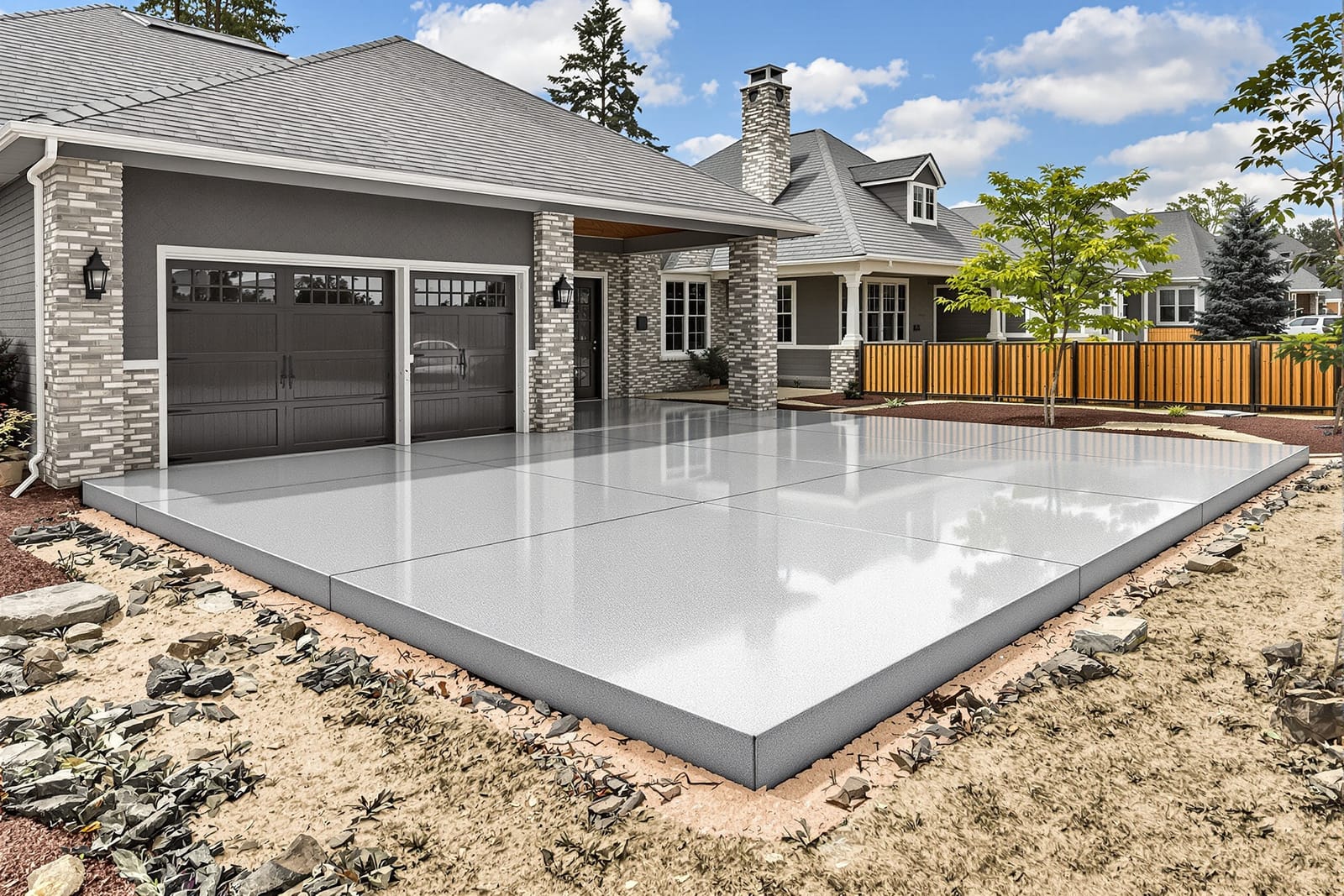
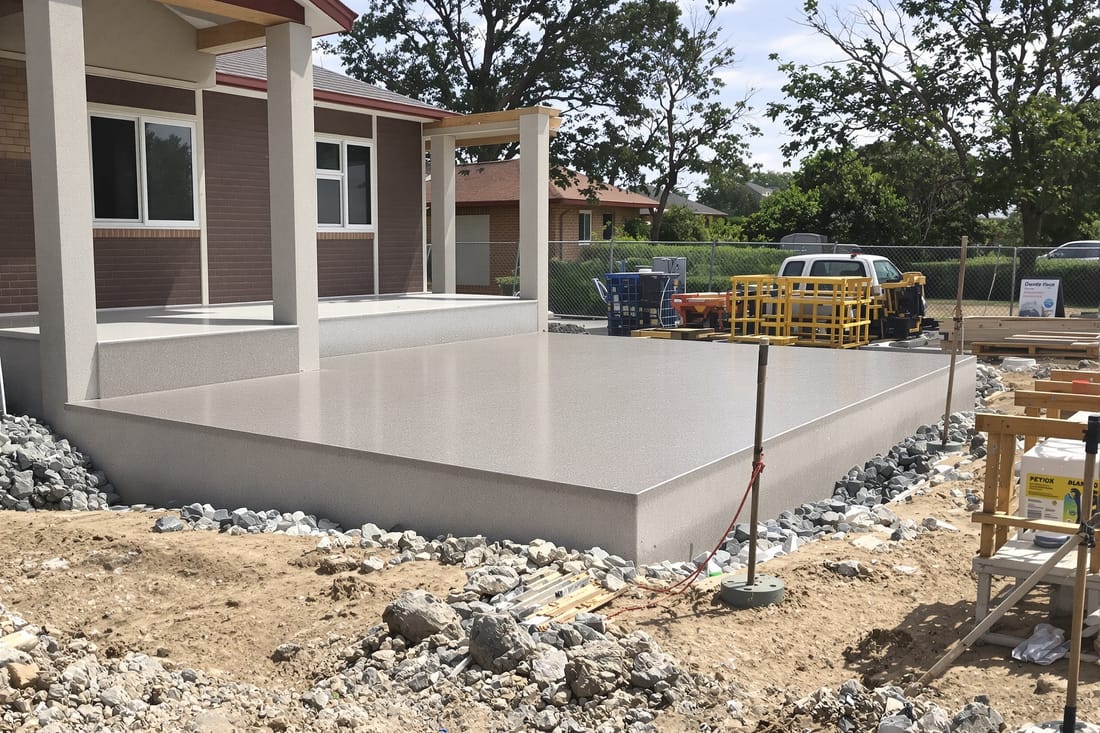
Commercial concrete slab work in Brooklyn is not just about pouring a flat surface. Between older utility lines, tight alley access, heavy traffic and strict NYC codes, every project needs careful planning. At Superior Concrete Brooklyn, we start any commercial concrete slab project by walking the site with you, checking access points, drainage, nearby buildings and how the slab will actually be used. A slab for a small retail storefront off Flatbush Avenue has very different needs from a warehouse floor near the waterfront.
We look at live loads (people and shelving), dead loads (equipment and inventory), and impact loads (pallet jacks, forklifts, delivery trucks). These details determine slab thickness, rebar or wire mesh spacing, and concrete strength. For example, a typical light commercial interior slab might be 4 to 6 inches thick with 3,000 to 4,000 psi concrete, while loading areas that take box trucks or forklifts often need 6 to 8 inches with 4,000 psi or higher and tighter reinforcement spacing.
Our goal is to create a slab that holds up to New York City use: daily deliveries, freeze-thaw cycles, salt tracked in from the streets and occasional flooding in lower areas of Brooklyn. We plan the slab so you do not deal with early cracking, heaving or ponding that disrupts your business and drives up maintenance costs.
Flatwork for Storefronts, Sidewalks, Loading Zones and Parking Areas
Commercial concrete flatwork covers all the horizontal surfaces that keep your business operating safely and looking professional. In Brooklyn this often means sidewalks in front of a retail space, ADA accessible ramps, alley drives to loading docks, small parking pads behind buildings and interior slabs for commercial renovations.
Superior Concrete Brooklyn tailors flatwork design to your foot and vehicle traffic. Busy sidewalks along Atlantic Avenue might need broom-finished concrete with saw-cut joints tight enough to control cracking but spaced so they look uniform to pedestrians. A loading zone behind a restaurant may need thicker concrete, heavier reinforcement and a higher traction finish to prevent slips from spilled oil or water.
We also coordinate with other trades in tight Brooklyn spaces. For example, if you are renovating a commercial space and planning plumbing or electrical lines in or under the slab, we schedule our work so those trades can rough in first, then we pour and finish around their work without delays. That coordination is key in older buildings where ceiling heights, uneven subfloors and existing foundations limit your options.
How We Build a Reliable Commercial Concrete Slab Step by Step
Every commercial concrete slab and flatwork project in Brooklyn follows a clear process that minimizes surprises and keeps inspectors satisfied.
1. Site evaluation and layout: We check the subgrade conditions, existing asphalt or concrete, nearby drainage, and any utilities. Then we establish slab elevations with a laser level so door thresholds, steps and ramps align with code and your actual building layout.
2. Demolition and subgrade prep: Old concrete or asphalt is cut, removed and hauled away. We proof-roll and compact the subgrade so it does not settle later, typically using a plate compactor or roller depending on access. In damp or low-lying areas, we often add a layer of crushed stone to promote drainage and improve load distribution.
3. Formwork and base installation: We set forms using sturdy lumber or metal forms, pinned so they stay straight and true. For commercial slabs we commonly install a 4 to 6 inch stone base, compacted in lifts. Where moisture control is important, such as interior slab work, we add a vapor barrier before placing reinforcement.
4. Reinforcement and embeds: We install rebar grids or welded wire mesh on chairs so steel is in the middle of the slab, not sitting on the soil. If you need floor drains, bollards, anchor bolts or conduit, we set those in place now, double checking elevations to line up with equipment or walls.
5. Concrete placement: We schedule the ready-mix trucks around Brooklyn traffic and site access, often using smaller trucks in tight residential streets. Concrete is placed, spread and vibrated or rodded to remove air pockets, especially near forms and around rebar.
6. Finishing and jointing: After screeding to level, we bull-float, edge and trowel as needed. For most commercial slab and flatwork jobs we cut control joints, by saw or by hand, to manage cracking. Joint layout is not random: we match column lines, door openings and slab geometry so the slab behaves predictably and looks clean.
7. Curing and protection: A curing compound or wet curing method is used so the surface does not dry out too fast. We set up barricades, warning tape or temporary covers where needed to keep pedestrians off and to protect against dropped tools or debris from nearby trades.
Material Options, Finishes and Coatings for Commercial Flatwork
Commercial concrete slabs do not all look the same. In Brooklyn many owners want surfaces that handle hard use but still look clean enough for customers. Superior Concrete Brooklyn offers several practical options.
For exterior flatwork such as sidewalks and loading zones, we typically recommend a broom finish for traction, especially in winter. Where appearance matters, such as plazas or restaurant outdoor seating, we can provide light sand finishes, exposed aggregate, or patterned saw cuts that dress up the surface without compromising durability.
Interior commercial slabs may be left as a hard troweled finish if you plan to use them as industrial floors, or they can be prepared for epoxy, polished concrete, or tile and vinyl finishes. The flatness and level tolerance is critical if you will use pallet racking or sensitive equipment. In those cases we use stricter finishing standards, more detailed joint layout and often higher strength concrete.
We also consider chemical exposure. In food service, auto repair or workshops, we can specify concrete mixes and surface sealers that resist oil, de-icing salts and common cleaners. In basements or low-lying Brooklyn areas that are prone to dampness, we talk through moisture mitigation steps so adhesives and coatings do not fail later.
What Drives Cost for a Commercial Concrete Slab in Brooklyn
Commercial concrete slab pricing in Brooklyn is shaped by more than square footage. To give realistic budgets, Superior Concrete Brooklyn looks at several cost drivers that often surprise owners.
Access and logistics: Narrow streets, no on-site parking, and restricted delivery hours can add time and labor. Sometimes we need smaller trucks, concrete buggies or pumps to reach the pour area, which affects the cost.
Thickness and reinforcement: Heavier use, such as forklift aisles, dumpster pads and truck aprons, requires thicker concrete and more steel. Doubling the slab thickness is not just extra concrete, it also means more excavation, more base stone and potentially deeper forms.
Subgrade condition: Weak or inconsistent soils, buried debris from old structures, or poor drainage mean more base preparation. Fixing those problems up front is usually cheaper than dealing with slab failures later, but it does affect the estimate.
Scheduling and phasing: Many Brooklyn businesses cannot shut down completely. If we need to pour in phases, work nights or weekends, or coordinate around ongoing operations, that adds planning and labor.
Finishes and extras: Decorative saw cuts, special coatings, drains, bollards and ramps each add cost, but they may also save you money by reducing slip-and-fall risk or future repairs. We walk you through each choice so you understand what is essential and what is optional.
Common Brooklyn Slab Problems and How We Prevent Them
Older commercial slabs around Brooklyn show the same issues: trip hazards at joints, random cracks, settled areas that hold water, and surfaces spalling from salt and freeze-thaw cycles. Superior Concrete Brooklyn designs new slabs and flatwork to avoid repeating those problems.
To limit cracking, we combine a correct joint layout with proper subgrade prep and reinforcement. We explain up front that concrete will always crack, but the goal is to control where and how it cracks so the slab remains functional and looks orderly. For exterior slabs exposed to winter salt, we often recommend air-entrained concrete mixes that stand up better to freeze-thaw cycles.
Settlement and heaving often trace back to poor base preparation or water moving under the slab. In low-lying areas or near older brick buildings in Brooklyn, we look carefully at downspouts, neighboring grades and existing drains. Sometimes simple corrections, like re-routing water or adding a gravel trench alongside, dramatically improve slab performance.
For projects tied to New York City Department of Transportation or Department of Buildings requirements, we build slabs and flatwork to meet those standards, including required sidewalk thicknesses, reinforcement and expansion joints at property lines. This reduces the risk of violations or having to redo work after an inspection.
Planning Your Project With Superior Concrete Brooklyn
A successful commercial concrete slab project starts before the first hammer hits a form board. We encourage Brooklyn owners, property managers and contractors to involve us early so we can align the slab design with your long term plans.
We begin with a conversation about use, timing and budget. Are you converting a warehouse in Bushwick into maker spaces, building a small parking area for a medical office, or replacing broken sidewalk and a loading pad behind a restaurant in Bay Ridge? Each scenario calls for different details. We help you prioritize where to invest, such as reinforcing high traffic areas and designing joints to work with future walls or machinery.
Superior Concrete Brooklyn can coordinate with your engineer or architect, or recommend one if you need stamped drawings for permitting. We provide clear schedules, explain what access we will need, and outline what you and your tenants or staff should expect on pour days. After completion we review curing and maintenance steps, including when you can safely drive vehicles on the slab and how to extend the life of the surface.
If you are planning a commercial concrete slab or flatwork project anywhere in Brooklyn, you can lean on our local experience with tight sites, older buildings and NYC inspectors. We focus on building slabs that support your business for years, not just until the first winter passes.